How Do You Write a Compelling Enemies to Lovers Romance?
Build authentic conflict by creating external situational stakes and contrasting internal emotional barriers that prevent early intimacy. Avoid "insta-love" by stretching out getting-to-know-you interactions over time through micro-signals, micro-glances, and realistic obstacles. Allow each character's emotional complex to act as the eventual remedy for the other's vulnerability.
I can’t help myself. I will be talking about gay hockey players in this one so, ahem, buckle up.
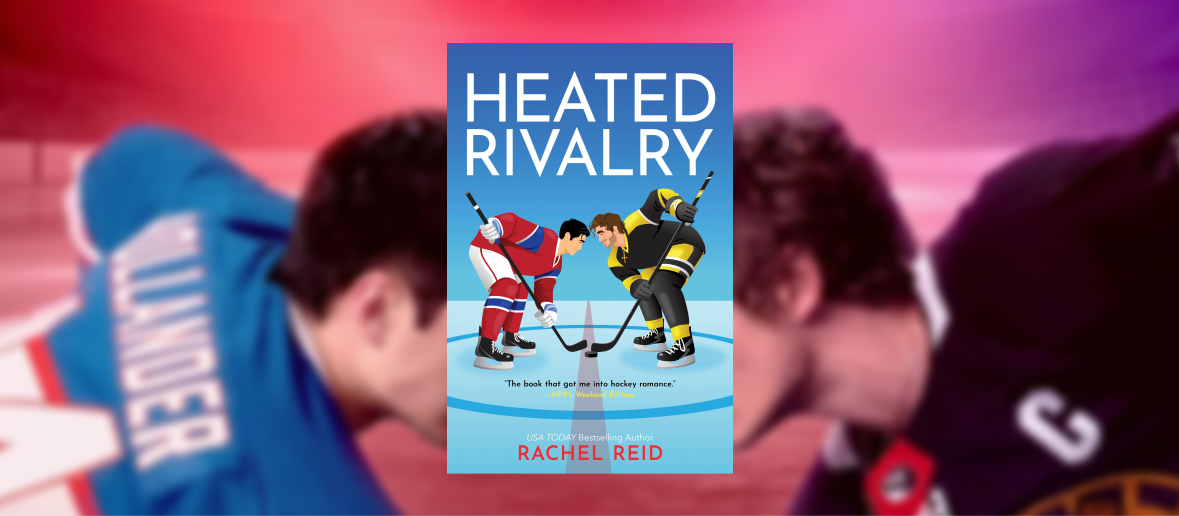
If you haven’t read Heated Rivalry by Rachel Reid yet, it follows rival hockey captains Ilya Rozanov and Shane Hollander as they balance their high-stakes athletic careers against the intense, forbidden attraction between them. Reid managed a near-perfect execution of the classic enemies to lovers romance and secret-relationship tropes, then seasoned it all generously with extra spice. Honestly? I could give less than a flying puck about the hockey itself. The tension between Shane and Ilya is absolute top-tier.
The TV adaptation of Heated Rivalry is blowing up online as the first four episodes released on HBO Max to rave reviews. The series follows Shane and Ilya’s story while picking up fan-favorite characters from Reid’s broader universe, including Scott and Kip from Game Changer. Showrunner Jacob Tierney brought these characters to life with streamlined dialogue and straight-to-the-point pacing—a tone that fits the high-octane sports atmosphere perfectly.
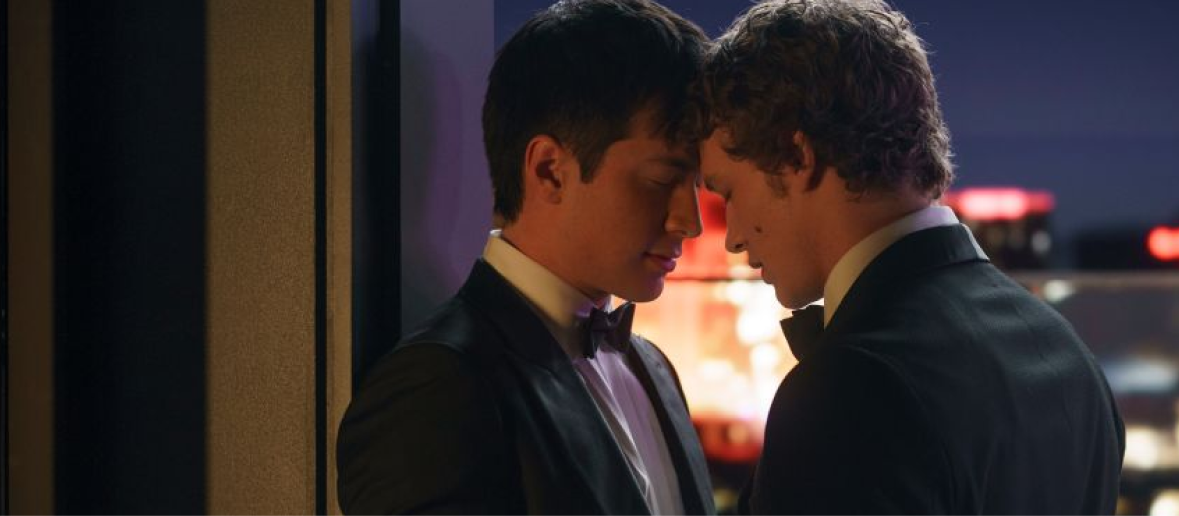
Both leads (Connor Storrie as Ilya and Hudson Williams as Shane) possess the acting chops to portray the depth of Shane and Ilya’s longing and the undeniable weight of their attraction. It’s rare that book adaptations - especially queer enemies to lovers romance stories - are handled with such care, looking as if they jumped straight out of the pages.
Why Enemies to Lovers Romance Is Harder Than It Looks
Reid and Tierney might make it look easy, but writing a top-tier enemies to lovers romance is notoriously difficult. As a fiction writer who is currently trying to weave a sub-romance into my own novel (thankfully, it’s only a B-plot or I’d be losing my mind!), I know firsthand how much you have to juggle:
➤ Stretching the Timeline: Keeping two leads apart who cannot, under any circumstances, figure it out until the book is 90% over.
➤ Building Realistic Obstacles: Crafting external circumstances that force them together while keeping them emotionally or structurally divided.
➤ Mastering Banter: Cooking up razor-sharp, natural dialogue without making the characters feel artificially mean or petty.
It’s no surprise that most stories sideline romance as a secondary plot. In Heated Rivalry, however, the romance takes center stage—and Reid’s structural setup works brilliantly.
If you’re drafting your own enemies to lovers romance, here are the three masterclass tools Rachel Reid uses to build irresistible heat and tension. (Spoiler warning ahead if you haven't read the book or watched the show!)
1. The Getting-to-Know-You Sequences (Beating "Insta-Love")
When you know two characters are destined to end up together, it’s natural for a writer to jump the gun and fast-track the progression from strangers to lovers. We tend to envision the endgame far more clearly than the early awkward stages, leading to unrealistic pacing or "insta-love" that pulls readers right out of the story.
Reid avoids this trap in her enemies to lovers romance by using time and circumstance to naturally push Shane and Ilya together and pull them apart:
➤ Initial Contact: Their first meeting sets up their public personas alongside their private friction. Shane presents his clean-cut sportsmanship; Ilya responds with cool, arrogant indifference.
➤ Micro-Signals: In every subsequent interaction, small actions signal subtle shifts—Ilya’s fingers lingering on Shane’s a second too long when passing a water bottle, or lingering eye contact across the ice.
➤ Stretching Time: Months (sometimes years) pass between their meetings. Reid lets multiple chapters filled with "will-they-won't-they" friction pass before ever putting Shane and Ilya alone in a hotel room together.
Creating the Ideal Environment for Conflict and Stakes
In Heated Rivalry, Reid sets up Ilya and Shane as perfect foils: rival captains of opposing professional hockey teams. This shared career naturally draws them into the same orbit while creating immense external barriers to true intimacy.
As the audience, we grasp the stakes immediately:
➤ Career Risk: Exposure threatens their standing in a hypermasculine sports culture that isn't ready to accept them.
➤ Built-in Resistance: The rivalry forces them to act as antagonists in public while craving each other in secret.
This environment is precisely why the enemies to lovers romance subgenre is so wildly satisfying to read. The resistance is built into the world itself.
3. The Price of Vulnerability and Opposite Complexes
Beyond occupational and environmental barriers, a great enemies to lovers romance relies heavily on internal, emotional walls.
Shane and Ilya face plenty of situational setbacks, but their internal barriers drive the deepest conflict:
Shane’s World: Raised by loving parents with a strong support network, Shane craves open emotional connection—yet feels isolated by his secret.Ilya’s World: Coming from a cold, unsupportive family, Ilya protects himself by remaining completely detached, hiding behind a mask of cynical isolation.
Because of these opposite complexes, an emotional disconnect persists even while their physical chemistry sizzles. Ilya uses casual encounters to avoid emotional depth, leaving Shane confused and wanting more.
Psychology channel Francesca Psychology notes in a video titled "The price of intimacy is conflict" that true intimacy requires vulnerability. When your characters expose their soft sides (like Shane), they get hurt. When they hide behind a shell (like Ilya), they reject the love they desperately need.
There is so much more that goes into crafting a memorable romance, but masterclass pacing, environmental stakes, and emotional vulnerability are the core engine of the enemies-to-lovers trope!