How Do You Master Narrative Pacing in Fiction?
Align your narrative speed with your story's core emotional promise rather than rigid genre rules. Maintain tension during slower, introspective character moments by laying a clear trail of overarching mystery. Balancing deliberate scene pacing with instinctual voice and experimental structure keeps readers engaged without sacrificing narrative depth.
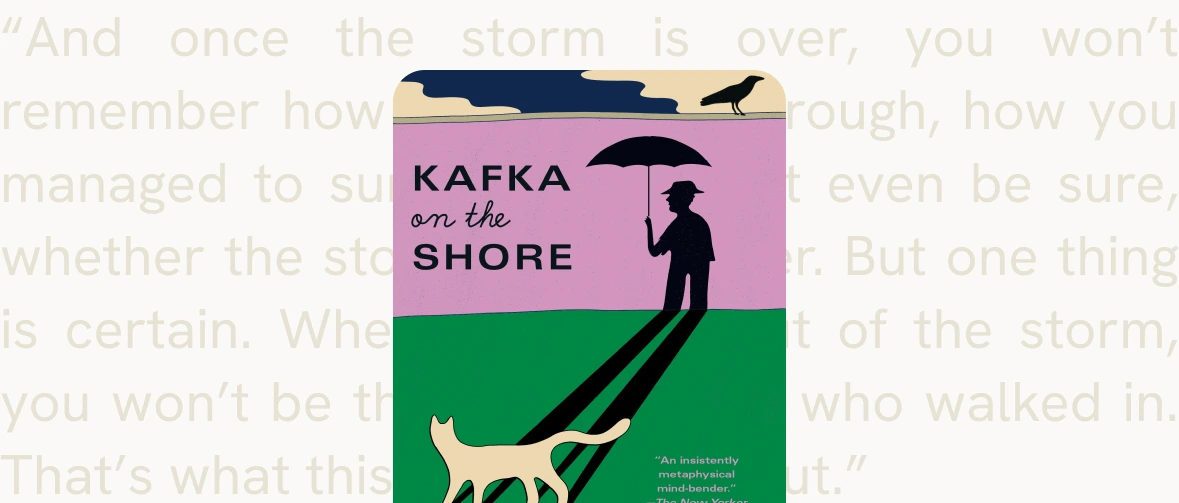
If you’ve ever picked up a Haruki Murakami novel, you know the feeling immediately. His stories have a dreamlike, youthful energy—and after finishing Kafka on the Shore (my very first Murakami read!), I’ve been reflecting constantly on how he handles narrative pacing in fiction.
Born in Kyoto in 1949, Murakami studied drama at Waseda University and ran a jazz bar with his wife before ever writing a word of fiction. He didn’t start writing until age 29, when a sudden wave of inspiration struck him during a baseball game. That same day, he began his debut novel, Hear the Wind Sing. Murakami describes the moment he realized he could write as a "warm sensation" in his heart—an emotion that is the exact opposite of self-doubt.
As a generational talent, Murakami possesses an unmistakable creative watermark. Below, I’m diving into three masterclass techniques he uses to control pacing in fiction—topic Megan has recently covered in this blog post—and how you can apply them to your own manuscripts. (Mild spoilers ahead for Kafka on the Shore!)

1. Controlling Narrative Pacing in Fiction Through Expectations (Not Genre Rules)
When I provide editorial feedback to fellow writers, pacing is my most common critique. Nine times out of ten, a manuscript feels too slow because it doesn't pay off on established genre promises quickly enough—like a fantasy adventure taking four pages just to walk us through a protagonist's morning routine.
Murakami takes a completely different route. His books don’t make promises based on genre conventions; they make promises based on his specific brand of introspective storytelling.
In Kafka on the Shore, a young man embarks on a journey of self-discovery. Controlling narrative pacing in fiction during these slower scenes works because Murakami draws our focus inward toward the characters' emotional journeys:
➤ Character Introspection: During Kafka’s stay at the cabin, virtually nothing outwardly action-packed happens, yet we gain profound insight into his connection with nature and his thoughts on isolation.
➤ The Trail of Intrigue: Controlling pacing in fiction during slow moments only works if you lay a trail of breadcrumbs for an overarching mystery.
➤ Pacing as Expectation: Because the contemplative speed is integral to Murakami’s voice, the slow pace becomes a feature rather than a grievance.
Controlling pacing in fiction is ultimately tied to the emotional effect you want your story to have on its audience. Whether you're writing a tight murder mystery or a dreamlike romance, choose your speed intentionally and pace accordingly.
2. Gardener vs. Architect: Cultivating a Unique Creative Voice
Murakami’s stories promise one thing above all else: they are distinctly Murakami stories.
In interviews, Murakami describes his writing process as purely instinctual: when he writes, he doesn't overthink. Instead, he revisits his work-in-progress like an ongoing dream, refining plot inconsistencies later.
In the writing world, there are generally two types of creators:
1. The Gardener: Like Murakami, gardeners grow their stories from the ground up without detailed outlines, letting the narrative unfold like a dream.
2. The Architect: Like myself, architects meticulously plan their narratives, writing chapter summaries, mapping character motivations, and micro-analyzing every plot beat.
Because gardeners are less rigid about how a story manifests, they often develop strikingly distinct narrative voices. In Kafka on the Shore, whimsy lives right alongside gore, and self-discovery reveals deeply uncomfortable truths.
You can’t copy Murakami’s exact signature, but you can adopt his mindset: be unexpected, let tragedy and humor live on the same page, and weave your personal worldview directly into your characters.
3. Embracing Experimental Prose and Craft Mastery
Beyond voice and atmosphere, Murakami is never afraid to experiment. With Kafka on the Shore, he set out to challenge himself by writing in the third person for the first time in his career, alternating with first-person chapters.
While critics often point out that Murakami frequently returns to a specific character archetype—a young man on a journey of self-discovery—he uses that familiar foundation to master and perfect his craft. In later works like 1Q84, he expanded his boundaries even further with multiple plotlines and female lead perspectives.
The final craft lesson Murakami offers is simple: be experimental, but pick specific elements of your craft to master. Whether you specialize in revenge thrillers or coming-of-age stories, challenging yourself while refining your core strengths is how you build a lasting career.

Kafka on the Shore was my first Murakami book, but it certainly won’t be my last. The way he interweaves ordinary life with dreamlike mysticism is truly magical.
How do you approach narrative pacing in fiction and your own writing process—are you a gardener or an architect? Let us know in our subreddit gauntlet or join our chaotic community of wordsmiths on Discord!